From coated micro-AM prototype to credible space hardware candidate
Space adoption of metal-polymer hybrid components requires evidence that the material system, coating architecture and manufactured component remain suitable under the relevant environmental stresses. Horizon has therefore developed a structured test programme around representative metallised polymer demonstrators, including shielding housings and waveguide-related hardware, using established methods relevant to LEO environments.
What was tested
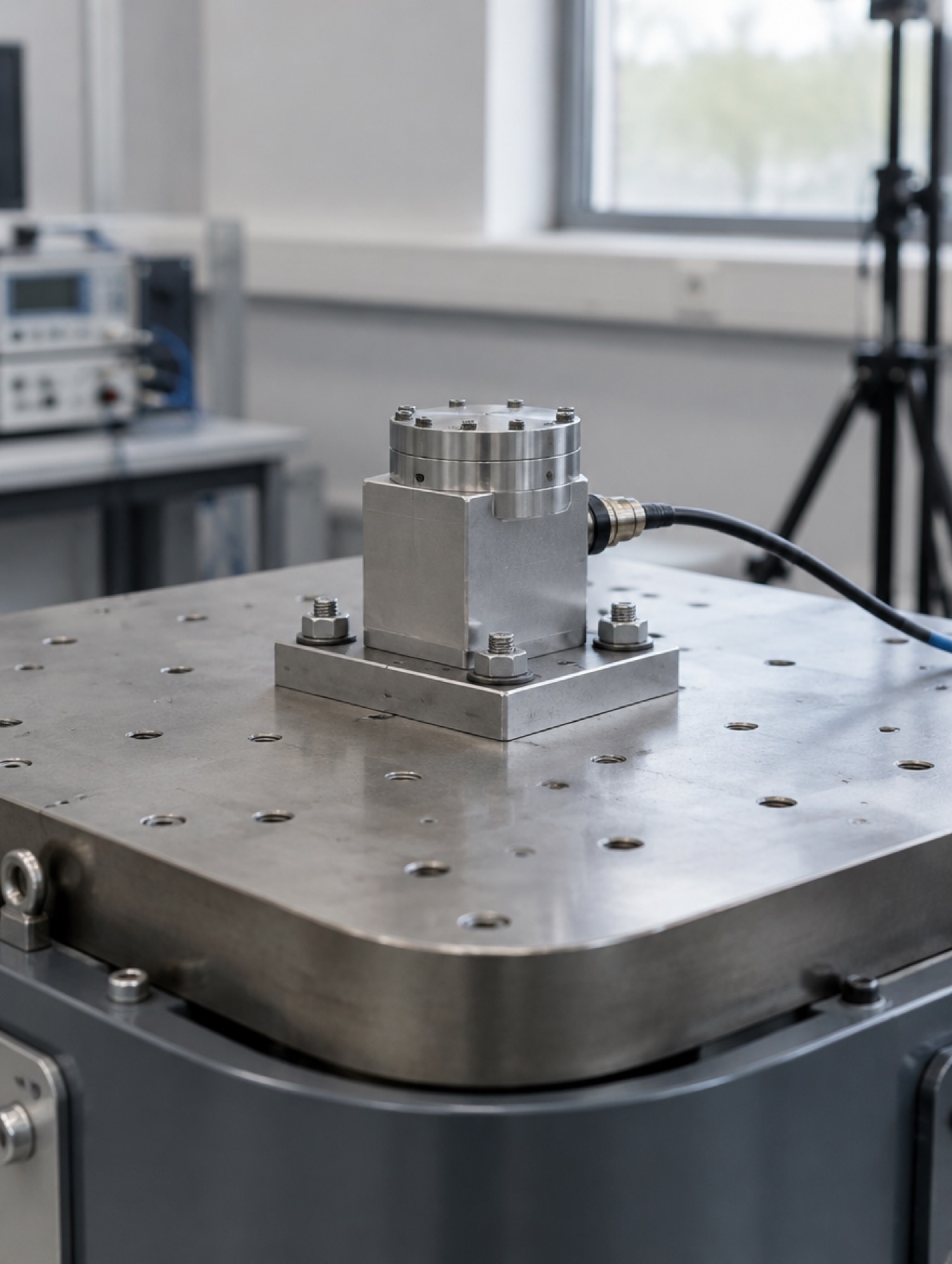
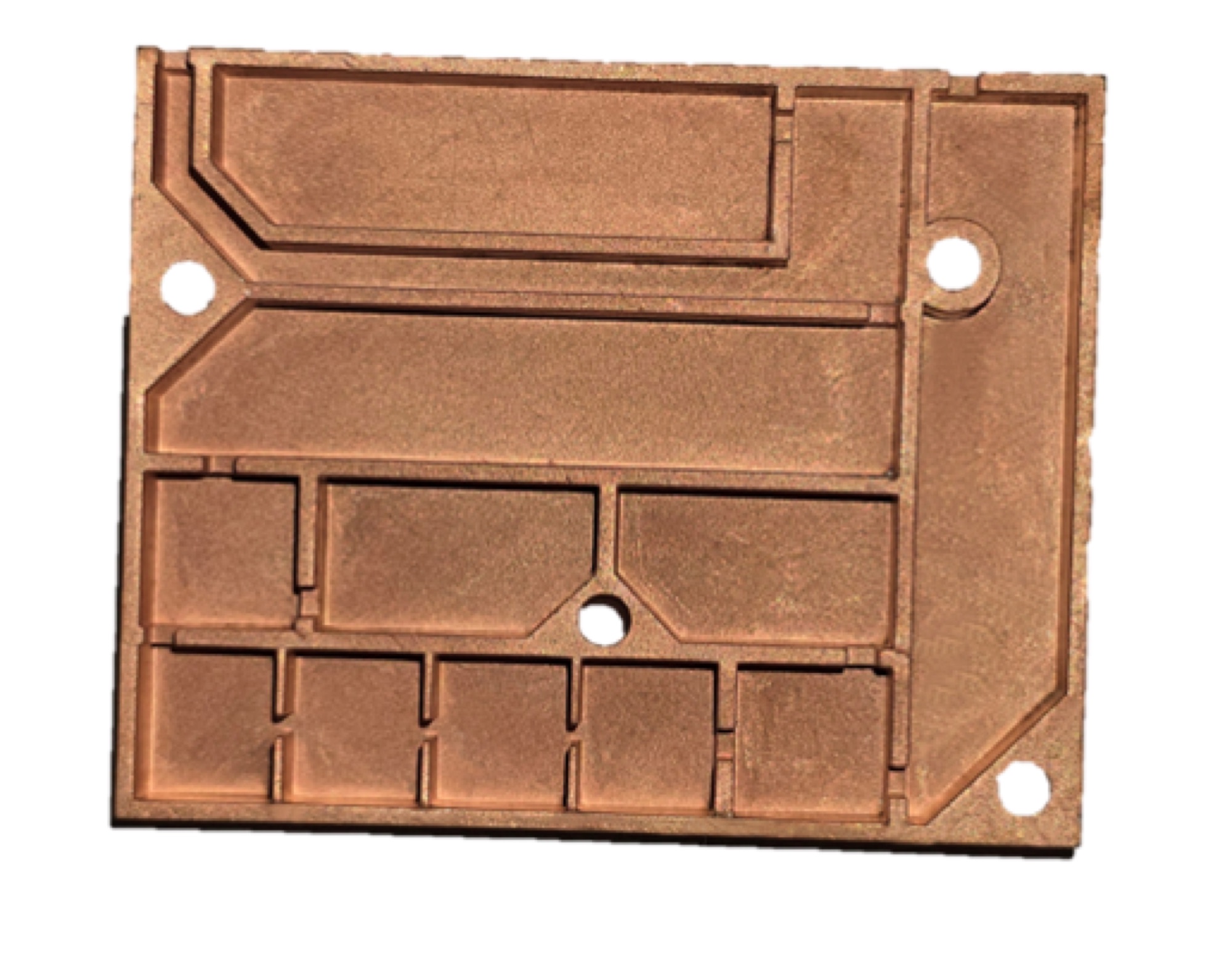
Horizon’s qualification work was designed to move beyond coupon-only confidence. Representative demonstrators were used to assess how printed polymer structures, metallisation, protective coatings, and component-relevant geometries behave under conditions relevant to LEO and satellite payload adoption.
The purpose was to create useful engineering evidence for customer conversations, not to claim universal qualification for all possible missions or component designs.
Qualification milestones
Environmental and mechanical exposure of representative metallised polymer demonstrators.
Vacuum/outgassing
Assessment of collected volatile condensable material (CVCM), total mass loss and recovered mass loss per ECSS-Q-ST-70-02C.
Temperature shock and cycling
2,000 thermal shocks from -40°C to +125°C within 10 s (and back).
Radiation
Exposure to accumulated doses up to 100 kRad and assessment of mechanical effects.
Atomic oxygen
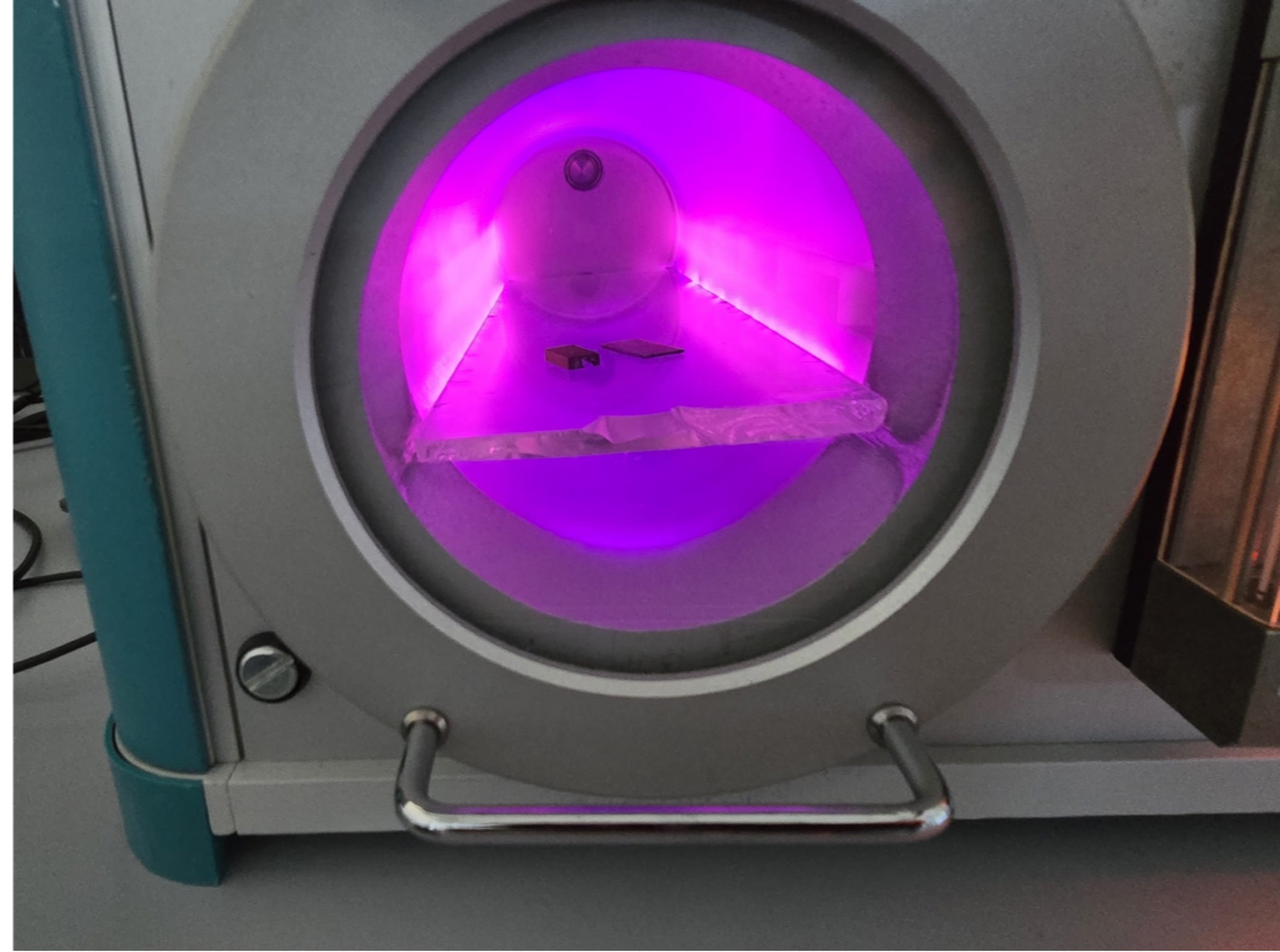
Exposure/emulation representative of approximately one year in LEO.
Hot-humidity ageing
Assessment of the material and coating system following elevated temperature/humidity exposure, to assess ageing during manufacture, assembly, integration and test.
Mechanical shock
Representative components with coatings on them subjected to up to 60 g of accelaration.
Coating adhesion and ageing
Testing following ECSS standards for metallised RF hardware. Additionally application of up to 60 g accelaration to parts soldered onto PCBs with the metallisation carrying the resulting shear load.
How the results were assessed
Visual and microscopic inspection
Check for signs of cracking, delamination, blistering, discoloration and other degradation.
Conductivity and functional checks
Four-Point-Probe measurements of sheet resistance on each batch before and after the different stress tests. Waveguide S-Parameter measurements for selectd tests.
Material Fatigue
Number of bending cycles until breaking.
Adhesion
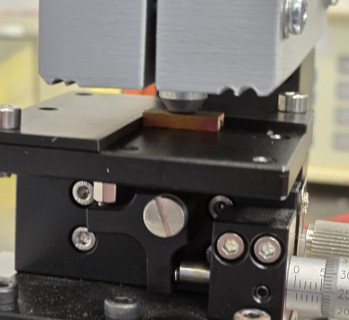
Tape pull-off test following ECSS standards and go/no-go assessment after mechanical shock tests.
How to read the evidence
Horizon’s qualification data should be used as an evidence base for early risk reduction, application-fit discussions, and part-specific qualification planning. It demonstrates that metallised polymer micro-AM components can be evaluated using established space-relevant procedures against demanding environmental conditions, providing a meaningful evidence base for subsequent application-specific qualification.
It does not remove the need for final programme-specific verification. As with any flight hardware, final qualification depends on part geometry, mission environment, mounting conditions, allowable materials, system-level requirements, and customer-specific acceptance logic.
Why this matters for adoption
New manufacturing routes often fail commercially because the proof trail arrives too late. Horizon is taking the opposite approach, developing the component concept, manufacturing process, and qualification logic together.
That matters for satellite teams because it allows feasibility, design, production route, and qualification risk to be considered much earlier in the programme.
Looking at metallised polymer micro-AM for a space application? Engage Horizon early, while geometry, materials, manufacturing and qualification requirements can still be considered together. The greatest freedom to build qualification requirements into the component exists while the geometry, materials and manufacturing route can still be shaped.