Space-ready metallised polymer micro-AM components for lighter RF payloads
Satellite hardware is being pushed harder than ever — smaller platforms, larger constellations, tighter SWaP limits, shorter development cycles, and stronger pressure on cost and manufacturability. Horizon Microtechnologies helps customers rethink RF and supporting payload hardware by combining high-precision polymer micro-AM with advanced metallisation, protective coatings and design expertise in both microwave engineering and additive manufacturing and coating strategies.
The result is a route to lightweight, design-flexible components that use polymer for the precision bulk geometry and thin metal coatings to provide the conductive, shielding, and RF properties required at the surface, without defaulting to a fully machined metal component.
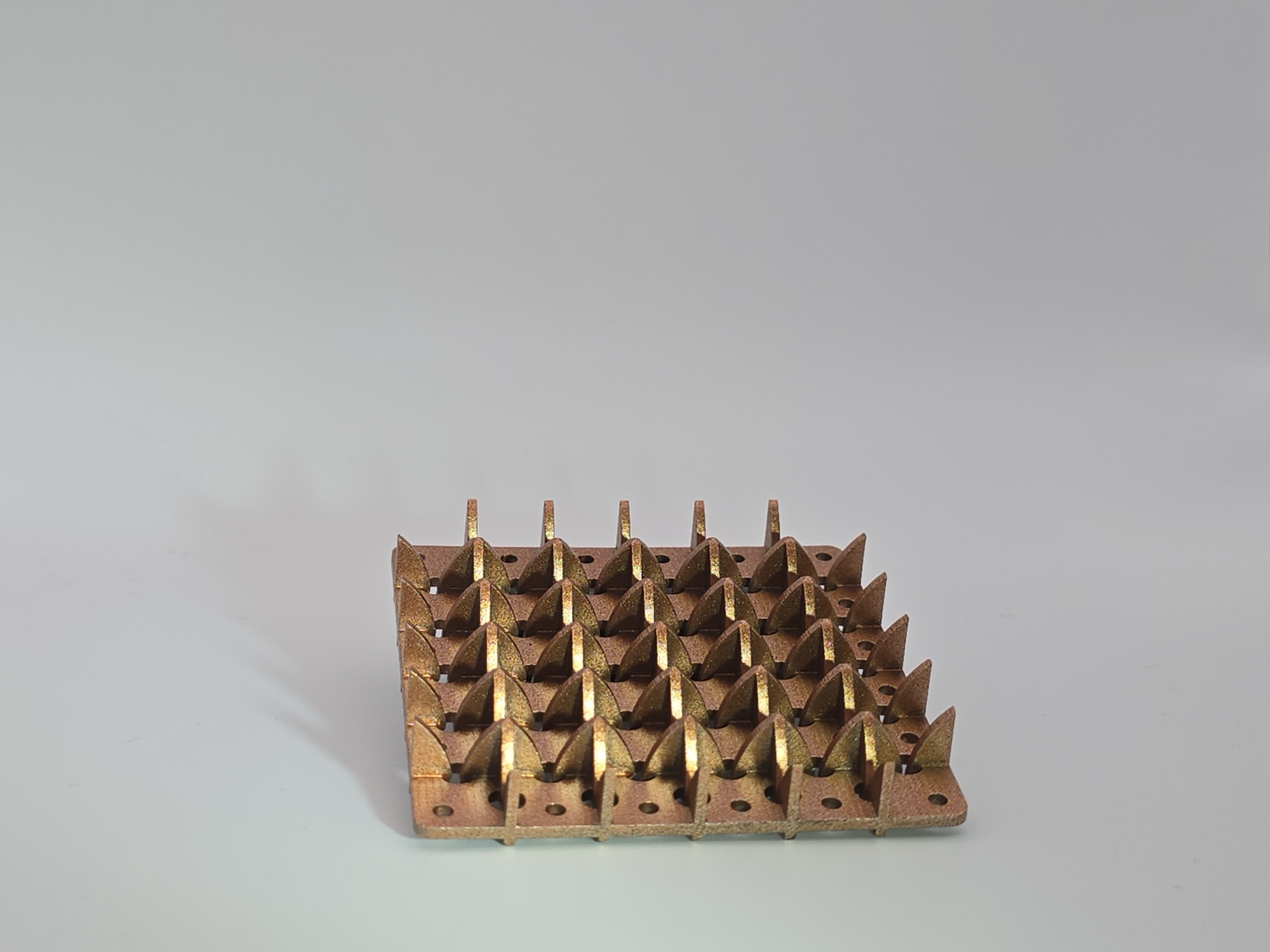
Why space needs a new manufacturing route
New Space is forcing a change in manufacturing economics. A component that is viable when required in tens can become too expensive, too heavy or too slow to manufacture when required in thousands. At the same time, payload teams must reduce mass, package more functionality into smaller spaces and iterate designs faster. Manufacturing therefore has to deliver cost, repeatability and volume alongside technical performance.
For many passive RF components, the conventional route is to machine the complete part from metal. That remains entirely appropriate in many applications. But where the metallic properties are required only at the surface, making the entire component from metal can add unnecessary mass and cost, constrain geometry and become increasingly uneconomic as production volumes rise.
Horizon takes a different approach. High-resolution 3D printing creates the lightweight polymer geometry, while a thin conformal metallic coating provides conductivity, shielding and RF functionality. The result is one integrated component, with metal used only where its properties are required.
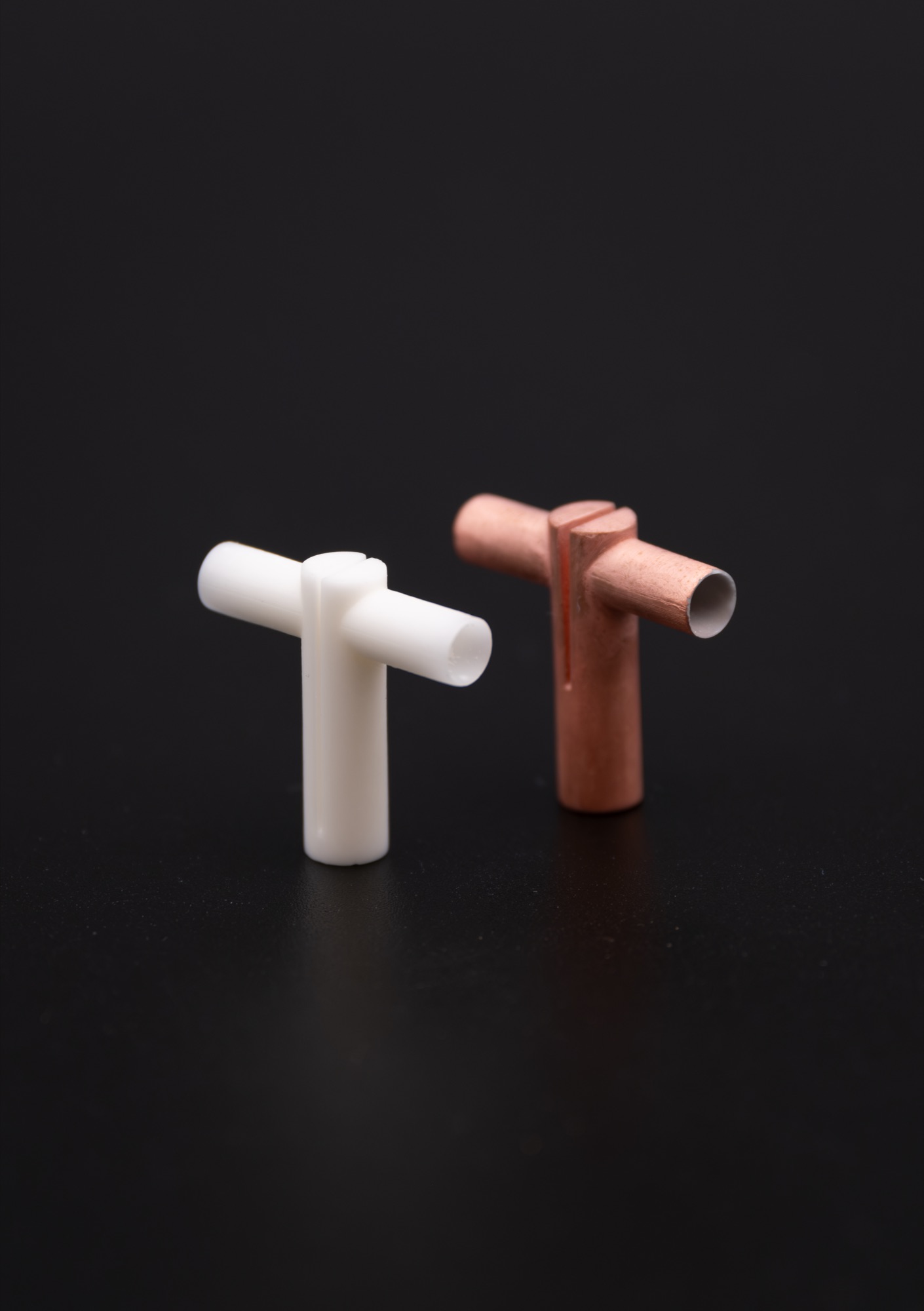
What Horizon makes for space
Horizon’s space focus is precision passive RF and supporting payload hardware where low mass, geometry, conductive surfaces, fine features, and scalable manufacture materially influence system performance or economics.
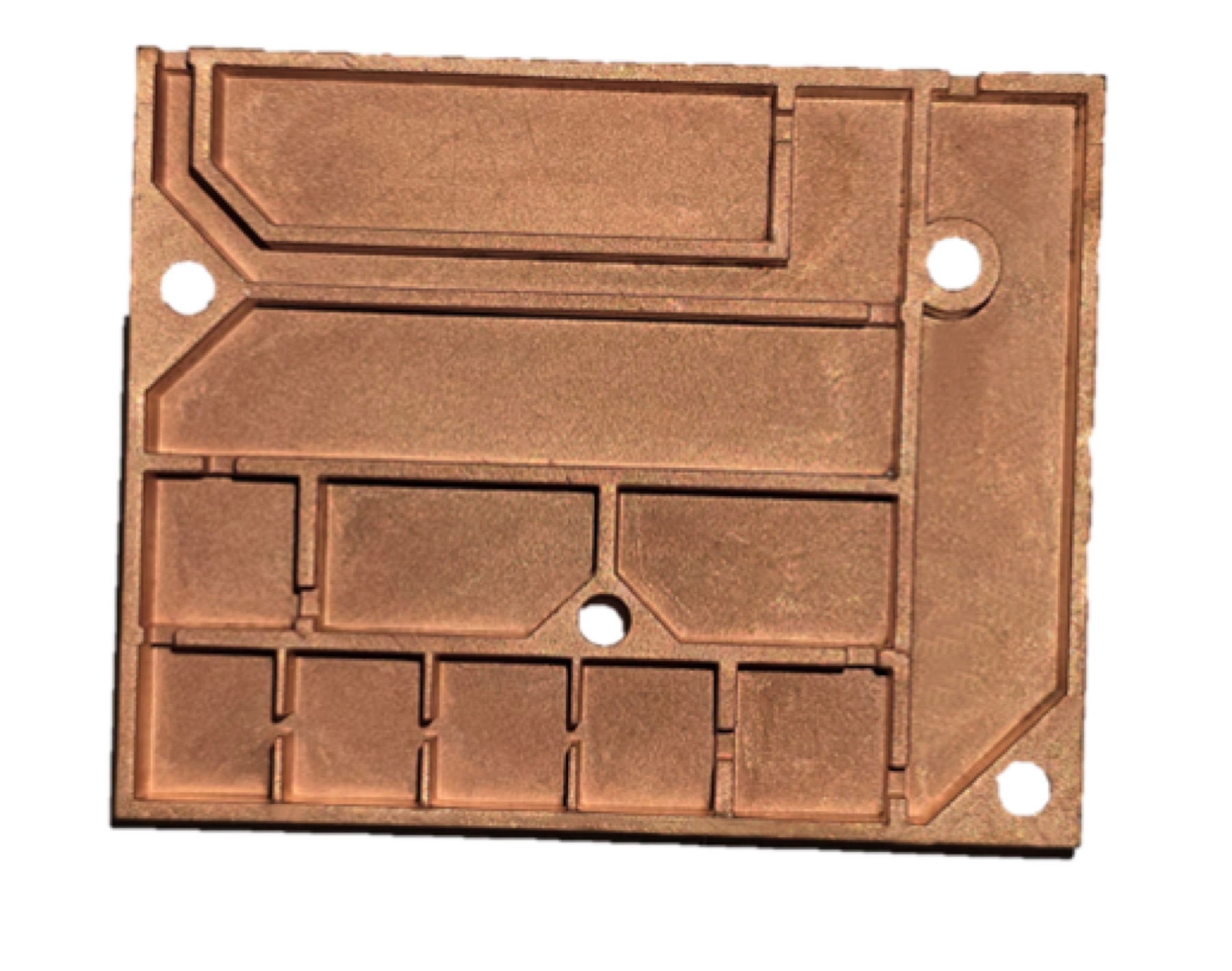
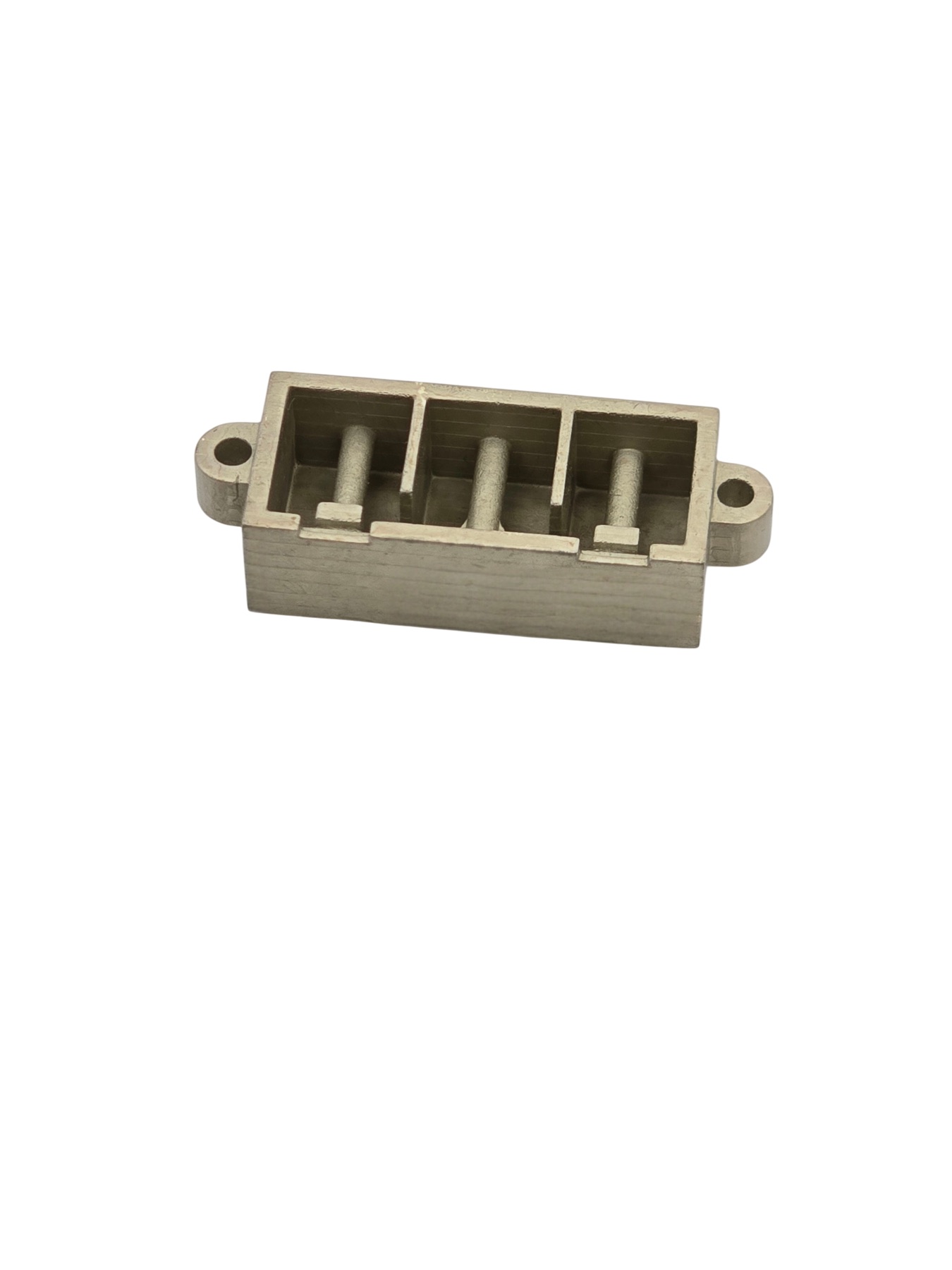
Horizon’s immediate focus includes shielding housings and RF/electronics enclosures, with the manufacturing approach also relevant to selected waveguide, antenna/feed and filtering structures where the geometry and surface requirements suit the process.
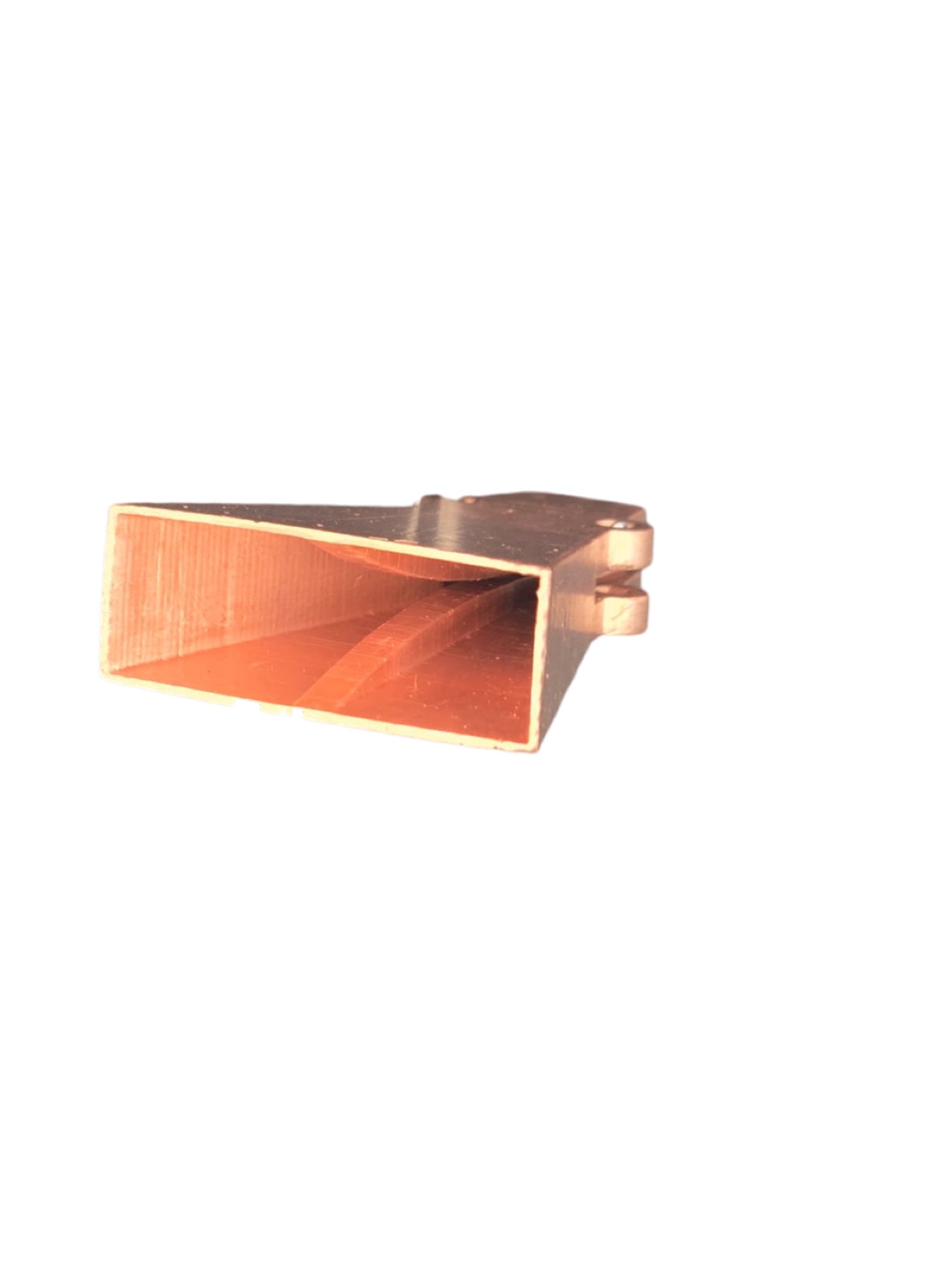
What the hybrid architecture makes possible
The advantage is not simply replacing metal with polymer. It is being able to use each material where its properties contribute most and rethinking mechanical design decisions dictated by alternative manufacturing approaches.
The 3D printed polymer provides lightweight, usually thin-walled, precise three-dimensional geometry; the conformal metal layer provides the required conductive and RF surface properties; and protective coatings can be added where the operating environment demands them.
This supports lightweighting, miniaturisation, compact integration and rapid design iteration, while opening geometries that can be expensive, awkward or impractical to produce through conventional machining or metallic 3D printing.
The result is a single component in which polymer and metal are each used where their properties add the most value, rather than making the entire part from one material by default.
Space-relevant evidence behind the manufacturing route
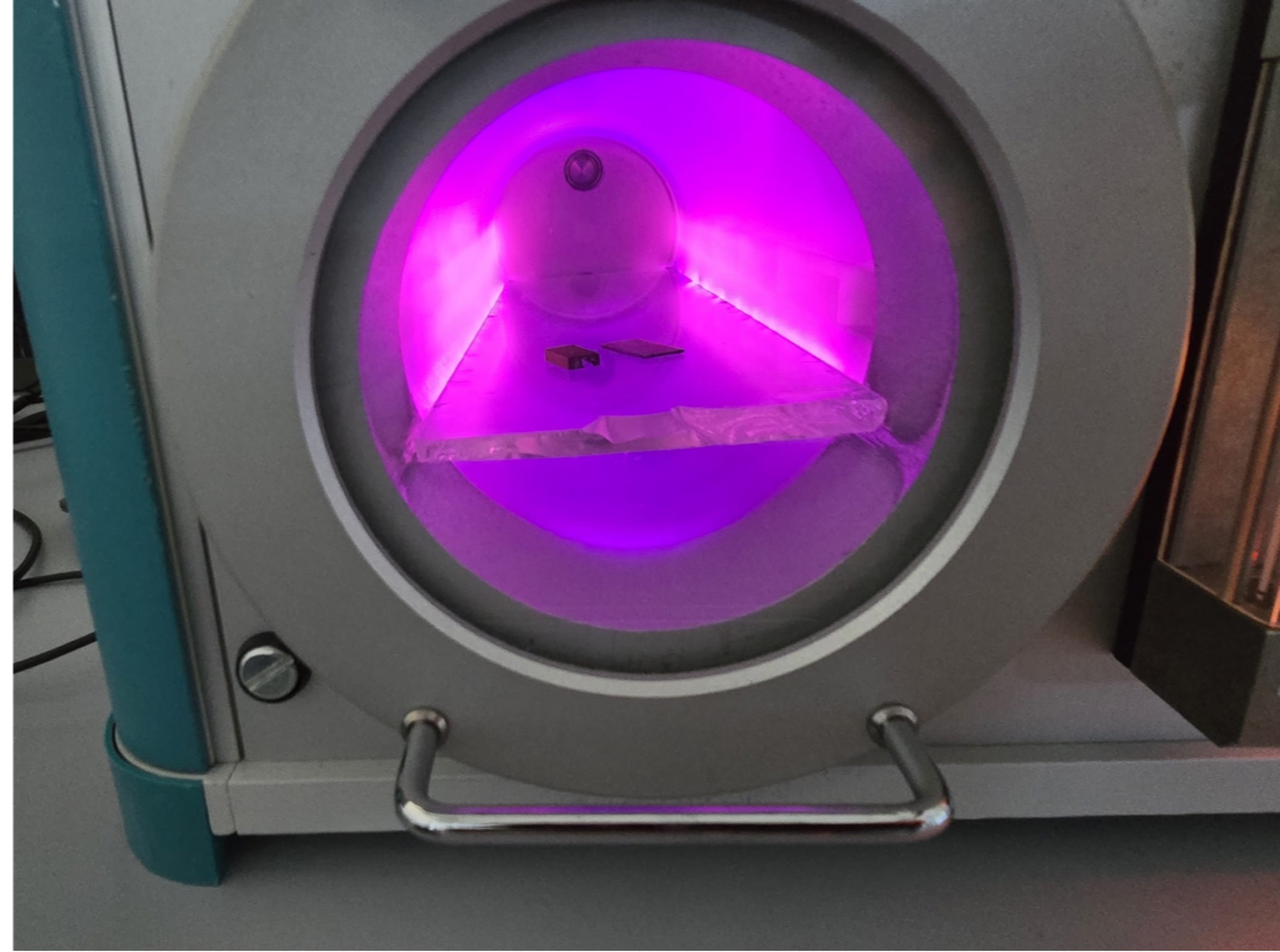
Horizon has built an evidence base around representative metallised polymer demonstrators using established tests selected to address relevant risks to the material and coating arising from a LEO environment. The test programme has included outgassing behaviour, temperature shock and cycling, radiation, mechanical shock, and atomic-oxygen exposure, together with assessment of coating and interface integrity.
These are established verification methods applied to a new component, material and manufacturing architecture. They provide customers with meaningful evidence from which application-specific development and qualification can proceed.
Scale matters
Horizon’s space activity is being built around a manufacturing route that can move from prototype to repeat production without forcing customers to change process or material when volumes rise. For phased-array satellite payloads and constellation-class architectures, projected volumes in the range of several tens of thousands of parts are a strong fit for Horizon’s print-and-coat scaling strategy.
Bring us the part that is too heavy, too expensive, too slow to source, or too constrained by conventional manufacturing. Horizon will help you understand whether metallised polymer micro-AM can change the answer.